Why Norveon Went Fully Remote (And Why We're Not Going Back)
No office politics when there's no office.
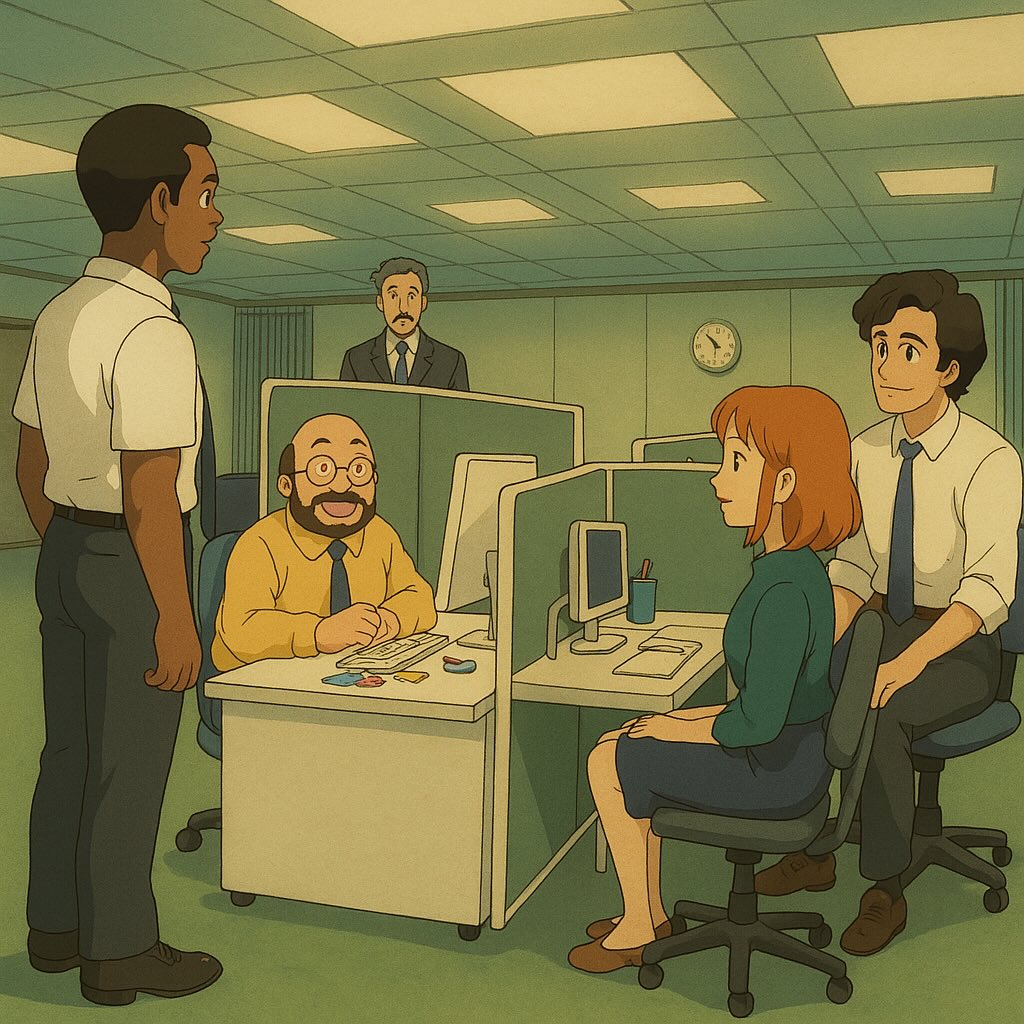
Everyone asks us when we're "going back to the office." The question doesn't make sense - we never had one to go back to.
Norveon started as a fully remote company in November 2023. Not as a pandemic response, not as a cost-cutting measure, but because we genuinely couldn't figure out why we'd do it differently. We're building software. Our tools are online. Our clients are global. Why would we limit our talent pool to people within commuting distance of Belgrade?
Two years later, we're still remote. Here's what actually happened.
The Things Everyone Warned Us About (That Didn't Happen)
"You Can't Build Culture Remotely"
Wrong. You just build it differently.
We do a weekly team call where we actually talk about what we're working on. Not status updates - those go in Slack. Real discussions about technical decisions, problems we're stuck on, things we learned. It's the kind of conversation you'd have in an office kitchen, except nobody has to pretend to like the coffee.
Every few months we meet in person for a few days. Not for mandatory "team building" activities, but because after working together for months online, you actually want to meet your teammates. Those meetups are some of the most productive days we have.
"Communication Will Fall Apart"
It got better, actually.
In an office, you interrupt someone's deep work to ask a quick question. Remote forces you to think: is this actually urgent, or can it wait? Can I write it clearly in Slack, or do we need a quick call?
We've gotten really good at async communication. Detailed Slack threads, screen recordings for bug reports, proper documentation because you can't just tap someone on the shoulder and ask how something works.
The flip side: we had to learn this. Early on we'd have week-long Slack threads that should have been a 15-minute call. Now we're better at knowing when to switch mediums.
"People Will Work Less"
Some days, yeah. Some days you have a doctor's appointment, or need to deal with a delivery, or just can't focus and decide to go for a walk instead of pretending to work.
But we've also seen the opposite. Someone will push a fix at 11 PM because they're in the zone and want to finish. Another person starts early because that's when they focus best. We track by output, not hours logged.
The traditional office pretends everyone is productive from 9-5. Remote work admits that's nonsense and optimizes for when people actually do their best work.
The Things That Actually Were Problems
Time Zones Are Still Physics
Our team spans several time zones. This is great for coverage - someone's always available if a client needs something. It's terrible for scheduling.
We've settled on a 2-hour window (10 AM to 12 PM CET) where everyone's theoretically available for meetings. "Theoretically" because someone's always traveling or has a thing. Scheduling a meeting with the whole team still requires multiple attempts and at least one person joining at a weird hour.
You Need Better Tools (And Discipline to Use Them)
Office work forgives a lot of bad practices. Forgot to document something? Just ask Jim. Not sure about the deployment process? Watch someone do it.
Remote punishes that stuff. We had to build proper docs, set up good project management, create clear processes. Not because we're organized people - we're not - but because the alternative was chaos.
We use Slack, Linear, Notion, Figma, GitHub, and probably too many other tools. Each one solves a specific problem. Each one also needs to be kept updated or it becomes useless.
Burnout Is Sneakier
In an office, your coworkers notice if you look exhausted. Remote? You can be quietly drowning for weeks before anyone realizes.
We don't have a perfect solution for this. We check in with each other, try to watch for signs, encourage time off. But it's still too easy to just... keep working because your workspace is always right there.
What I'd Tell Someone Starting a Remote Company
Do it if your work can actually be done remotely, you're willing to be intentional about communication, and you care about output more than hours logged. If you can handle the messiness of async coordination, it's worth trying.
Don't do it if you think it's just cheaper office space, or if you want to monitor what people are doing all day. And if your work genuinely requires constant physical collaboration, remote will fight you at every turn. Same if you're not willing to invest in proper tools and processes, you'll just be in an office with worse communication.
Would We Ever Get an Office?
People ask this. The answer is: probably not.
Not because offices are evil or remote is perfect. But because we've built systems that work for us. Our hiring isn't limited by geography. Our team works when they're most productive. We save money on office space and our people save time on commuting.
Could we be more productive with an office? Maybe. But we'd also lose the flexibility that lets someone in a different time zone join our team, or allows people to structure their day around their life instead of their commute.
The data says most companies are going hybrid. That's probably right for them. For us, fully remote still makes the most sense.
The Honest Truth
Remote work isn't inherently better or worse than office work. It's different, with different tradeoffs.
For Norveon, building software with a distributed team, remote works. We've made it work by being deliberate about communication, investing in good tools, and accepting that some things (like scheduling) will always be harder.
Two years in, we're still figuring it out. But we're definitely not going back to the office.